







When is the best time for a cruise to Iceland?
Summer and early autumn – specifically from June to September – are often considered the best times for a cruise around Iceland. You’ll have warmer weather, which makes discovering the country more comfortable than during the sometimes harsh wintry conditions.
This means that on one of our holidays to Iceland you’ll be able to embark on all the outdoor activities you’ve read about, as well as enjoying the country’s numerous natural wonders with ease.
Another advantage of booking an Iceland cruise during this period is the increase in daylight hours. During winter, there is significantly less daylight, particularly during December and January. After this, the number of daylight hours gradually begins increasing, peaking in late June with the summer solstice.
There are also lots of festivals and cultural events taking place between June and September, including Iceland’s National Day celebrations in June, Akureyri Art Summer over June and July, Reykjavík Marathon in August and many more.
What is the weather like in Iceland?
The weather in Iceland varies significantly, depending on the season. The country’s intense winters – characterised by sub-zero temperatures and heavy snow in some areas – are known around the world and have helped shape Iceland’s landscape, geography, culture and national identity.
But this is not the story of Iceland’s weather throughout the year. December, January and February are usually the coldest months, and wintry conditions can last until around March before things start to get warmer and lighter. Warmer weather really begins shining through in June, when average temperatures jump to around 10.5°C, peaking in July with an average of a little under 13°C. August also retains the warmth, with average temperatures of around 11°C. September is still pleasant with average temperatures of a little under 8°C, before things begin to get colder again in October.
When booking your cruise to Iceland, it’s worth remembering that June and July offer the largest number of daylight hours, crowned with the midnight sun in June, when there are 24 hours of daylight in some parts of the country.
Unsurprisingly, the late spring and summer months (May, June, July and August) are also the driest, but you can expect some rain then, too – although it is usually fairly light at these times, especially compared to the colder, wintry months.
Where do cruise ships dock in Iceland?
On an Iceland holiday with MSC Cruises, there are a number of key ports that your ship can stop at. The primary port is Reykjavík – Iceland’s capital – where many visitors to the country will want to spend time, thanks to its wealth of cultural attractions and its proximity to some of the country's best-known sights.
Other ports of call include Akureyri in the north, Ísafjörður in the Westfjords region, and Seyðisfjörður in the far east of the country, allowing you to explore some of Iceland’s most diverse and spectacular regions during your cruise.
How much is a cruise to Iceland?
The cost of a cruise to Iceland will vary depending on a range of factors, including the length of your trip – but remember that MSC Cruises offers itineraries to suit all budgets. So, you’ll be able to carve out your very own Iceland dream. Our cruise deals to Iceland put this captivating country firmly within reach, no matter how much you’re looking to spend.
What to pack for a cruise to Iceland?
Packing for an Icelandic cruise requires some forethought, but with a little advance planning you can ensure you arrive fully prepared. It’s no secret that Iceland isn’t the warmest of countries, so make sure you pack plenty of layers and some thicker clothing, even if you’re travelling during the height of summer.
Also bring a raincoat – again, even if visiting in summer – as you may encounter showers at any time of year. However, summers can also be milder, so some lightweight clothing suitable for warmer days will be useful too.
Outdoor activities and sightseeing are a huge part of the Iceland experience, so if you’re planning on being outside and moving around a lot (on hiking and biking excursions, for example) make sure you take comfortable layers that are breathable and not too restrictive, while still offering enough warmth. Again with outdoor trips in mind, good footwear is essential, ideally waterproof walking boots or sturdy walking shoes.
Sunglasses are another essential at any time of year, as is a reusable water bottle. This will not only keep you hydrated during excursions and activities, but will also help you avoid relying on single-use plastics.
Finally, remember to bring smarter clothing if you’re planning to attend some of the more formal events onboard your ship, as this will help you dazzle at those grand dinners and dances.
What is the currency in Iceland?
The currency in Iceland is the Icelandic króna (ISK). Notes range in value from 500 up to 10,000 króna. Debit card and credit card payments are widely accepted, but it’s a good idea to always have at least a little cash on you during your Iceland travels.
What is the time zone in Iceland?
Iceland follows Greenwich Mean Time (GMT) all year round. This means that during winter, Iceland and the UK follow the same time zone. However, Iceland does not observe daylight saving time, unlike the UK, which switches to British Summer Time (BST) from the last Sunday in March until the last Sunday in October. As a result, during summer, Iceland is one hour behind the UK.
What other countries are included in a cruise that goes to Iceland?
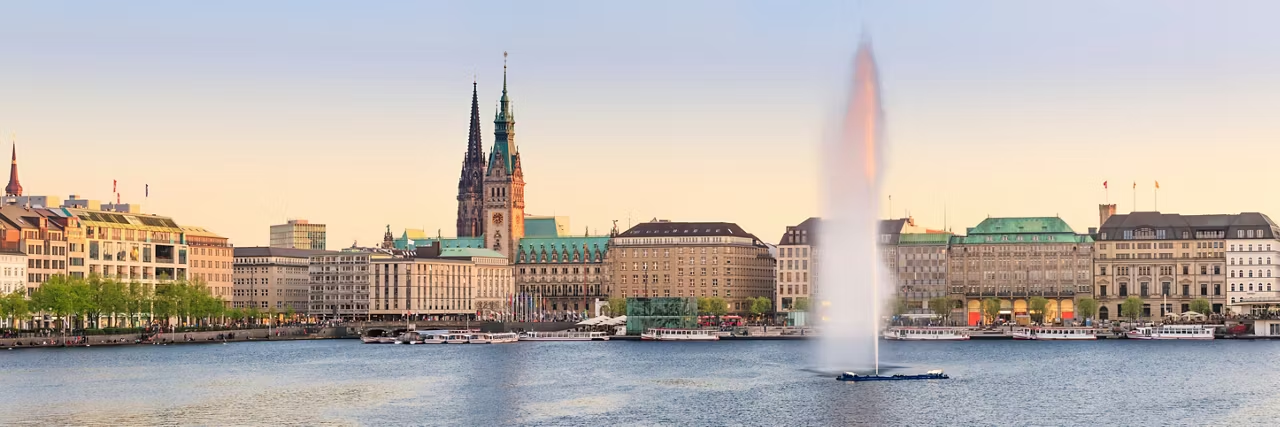
As well as the wonders of Iceland itself, an Iceland voyage with MSC Cruises also allows you to experience other fantastic countries. For example, you could take in the rich maritime history of Hamburg in Germany alongside the multilayered charms and dramatic landscapes of Scotland and its islands, via stops at Invergordon, Orkney and Shetland.
Alternatively, set off on a cruise to Norway and Iceland from Southampton in the UK, stopping in to appreciate the luscious greenery and rolling hills of Cork in Ireland, before sampling Scandinavian culture and mighty fjords in the Norwegian ports of Måløy, Hellesylt and Sandnes.
Additionally, a cruise to Greenland and Iceland can unlock further epic landscapes and cultural discoveries.
Where do Iceland cruises depart from?
You’ll have a choice of departure ports to select from when booking a cruise to Iceland with MSC Cruises. Take your pick from the bustling port at Hamburg, Germany, or opt for historic Southampton on the UK’s south coast, or there’s the possibility of Denmark’s vibrant capital, Copenhagen.
What are the best things to do in Iceland?
A cruise to Iceland is a cruise into adventure. The country is packed with outdoor experiences that showcase its landscapes and natural wonders, but there’s also plenty to see and do if you prefer a more relaxed trip, thanks to a wealth of historical sites and activities that delve into traditional Icelandic culture.
The capital, Reykjavík, is a great place to start. Take a sightseeing tour to view architectural feats such as the Hallgrímskirkja church and Perlan museum, or see the city by e-bike. For something special, book a helicopter trip to view Reykjavík, hot springs and volcanic craters from the air. Journey out of Reykjavík and get up-close to a glacier or navigate the Golden Circle sightseeing route.
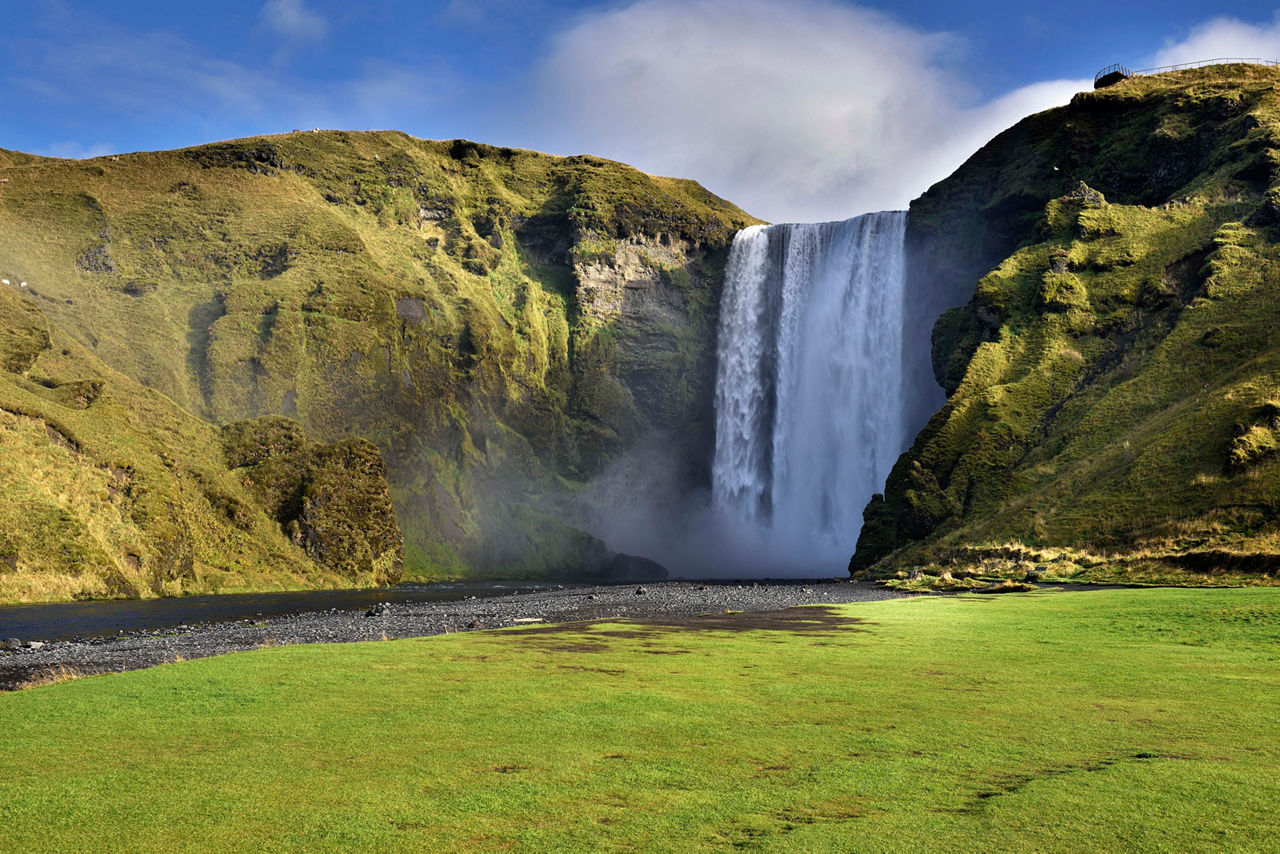
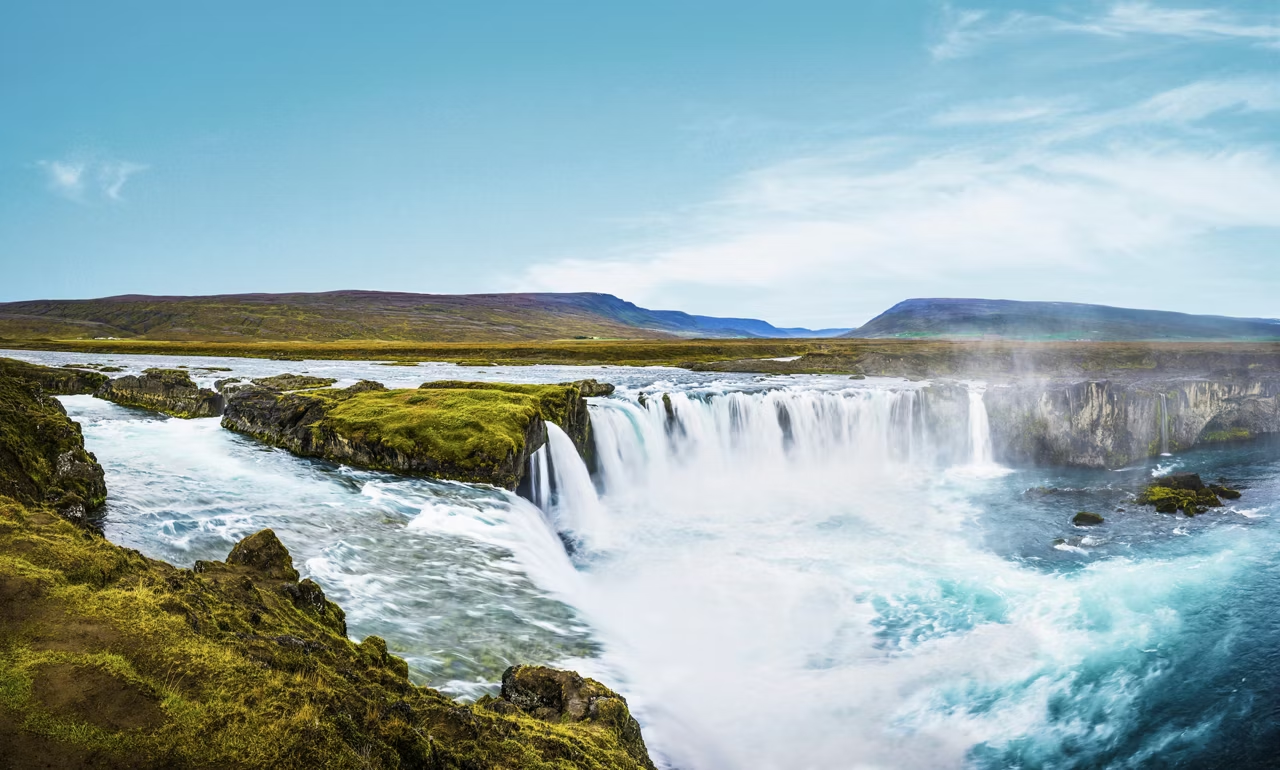
In the north, Akureyri affords access to spectacular waterfalls and trips to soak in the geothermally heated pools at Mývatn Nature Baths. Or you could learn about Iceland’s incredible turf houses at Laufás Heritage Site.
Over in the east of Iceland, Seyðisfjörður’s rows of colourful wooden houses will win you over, but also hike up to Tvísöngur, a sound sculpture comprising surreal concrete domes atop a nearby mountain. Seyðisfjörður is a great place to learn about traditional culture – book an excursion that dives into Icelandic mythology and the world of the huldufólk (‘hidden people’).
Ísafjörður is the perfect base to explore the magical Westfjords region. Experience its wild landscapes with a suitably wild trip on an all-terrain vehicle or take to the water for an exhilarating whale-watching ride on an RIB (rigid inflatable boat). If you prefer calmer nature-watching, book an excursion to sail over to Vigur island where you might see puffins, guillemots and what some believe to be Europe’s smallest post office.


